OPreach
Dominican Preaching through Word and Image
God’s Presence in the Clouds
On today’s Feast of the Transfiguration, we read in Psalm 97:
The LORD reigns; let the earth rejoice;
let the many islands be glad.
Clouds and darkness are round about God,
justice and judgment are the foundation of God’s throne.

God’s Radiance in Creation
Hildegard of Bingen tells us:
There is nothing in creation that does not have some radiance – either greenness or seeds or flowers, or beauty – otherwise it would not be part of creation. The Holy Spirit pours out this fresh greenness of life into the hearts of women and men so that they might bear good fruit.
This quote is from the monthly reflection of our Dominican Sister Patricia Bruno which can be found on our website in Stories Seldom Heard. Her reflections for the month of August tell us about some of the Dominican mystics.

The Grateful Person
The grateful person knows that God is good, not by hearsay but by experience.
And that is what makes all the difference.
– Thomas Merton

In 2008, Sister Carla, Father Bob, and I went with a group of Dominican University students on a service trip to Tijuana. We painted Lupita’s house. In the way of possessions, she is poor – in generosity of heart and trust in God, she is rich. Lupita is one who knows God’s goodness by experience, and knowing her and her family has enriched my experience of trusting our Loving God.
Let Us Notice the Miracles that are Present Now
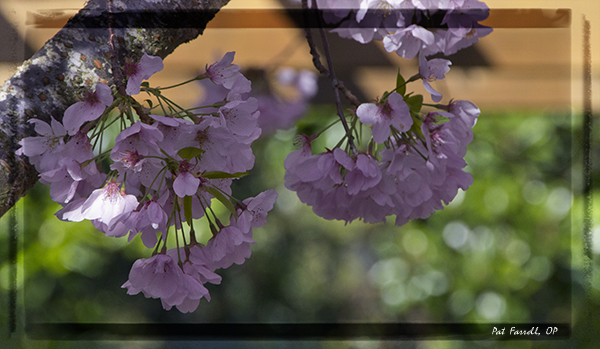
If we could see the miracle of a single flower,
our whole life would change.
– The Buddha
Importance of the Little Things
The little things? The little moments? They aren’t little.
– Jon Kabat-Zinn

Beauty Seen
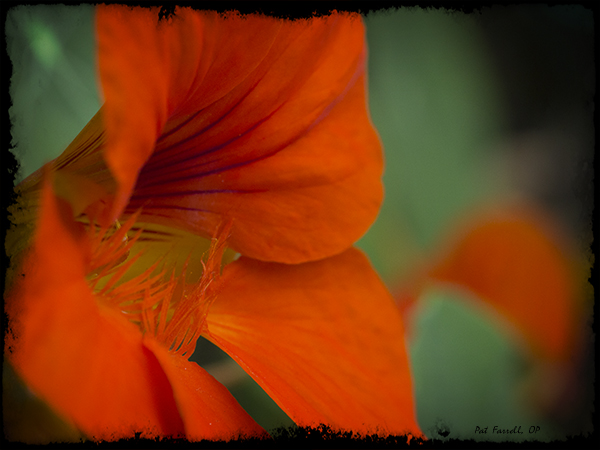
How Lovely Is Your Dwelling Place, O God!
Saturday’s Responsorial Psalm is from Psalm 84
How lovely is your dwelling place, Lord, mighty God!
I had rather one day in your courts
than a thousand elsewhere;
I had rather lie at the threshold of the house of my God
than dwell in the tents of the wicked.
How lovely is your dwelling place, Lord, mighty God!
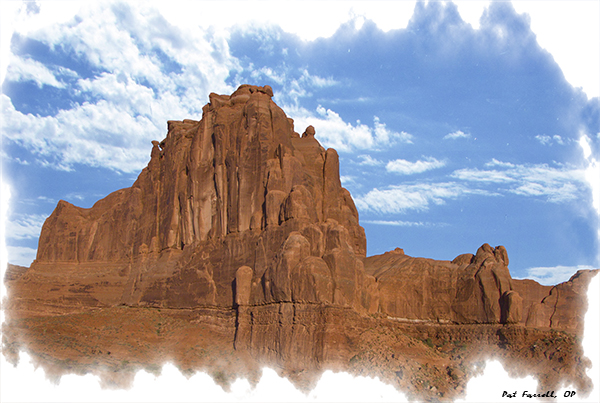
What a Blessing a Few Days at a Ranch Can Be!
In Saturday’s First Reading from the Prophet Jeremiah we read,
I will appoint over you shepherds after my own heart,
who will shepherd you wisely and prudently.
– Jeremiah 3:15
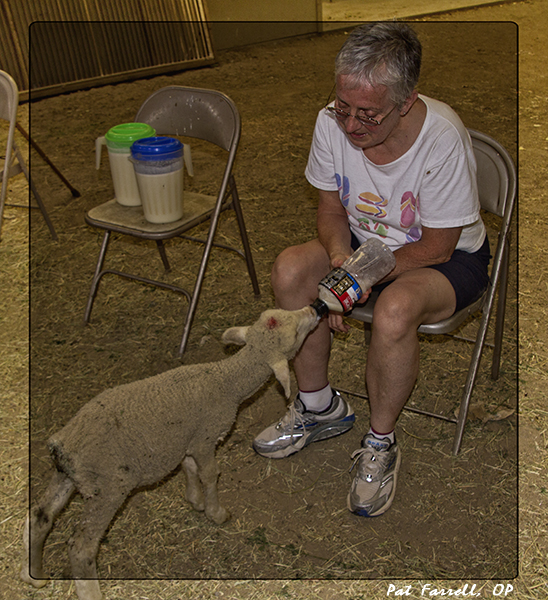
How fortunate I have been to recently spend some time at Rafter 7 Ranch, a working sheep ranch. Besides being a fun and relaxing experience, I had the opportunity to capture many shots of the sheep. Even more wonderful was the opportunity to feed them.
Continuing the Theme of the Prophet Micah
The Persian Sufi Bayazid does not quote the Prophet Micah. Nonetheless, his words reflect the same meaning, and encourage us to live with generosity, compassion, and humility.
The Friend of God has these three qualities:
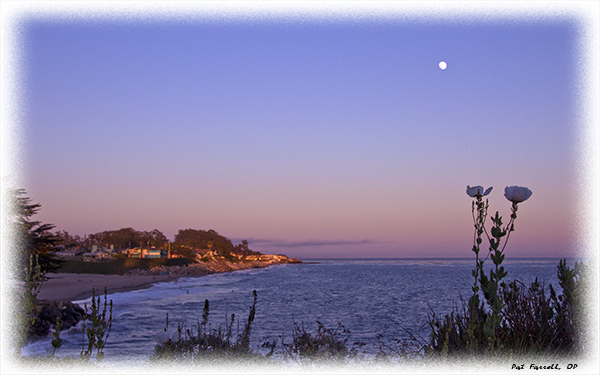
a generosity like that of the ocean,
a compassion like that of the sun, and
a humility like that of the earth.
– Bayazid
A Follow-up to the Prophet Micah
On Monday I posted about the day’s reading from Micah 6, and now I came across a quote from The Talmud that expands on it.
Do not be daunted by the enormity of the world’s grief.
Do justly, now.
Love mercy, now.
Walk humbly, now.
You are not obligated to complete the work, but neither are you free to abandon it.
We can feel overwhelmed at times, so much so that we are paralyzed, not knowing where to begin. As the Talmud suggests, let us, now, begin with what is before us.


