OPreach
Dominican Preaching through Word and Image
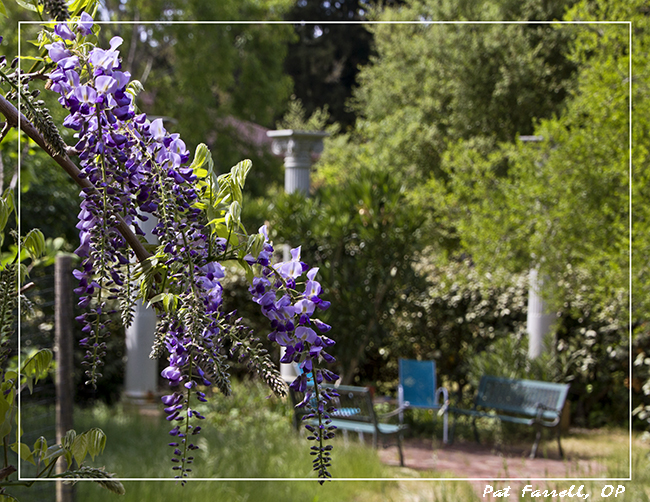
Drink of the Experience of Spring, While It Is Still Spring
The one who neglects to drink of the spring of experience is apt to die of thirst in the desert of ignorance.
– Ling Po
Weekly Photo Challenge: From Above
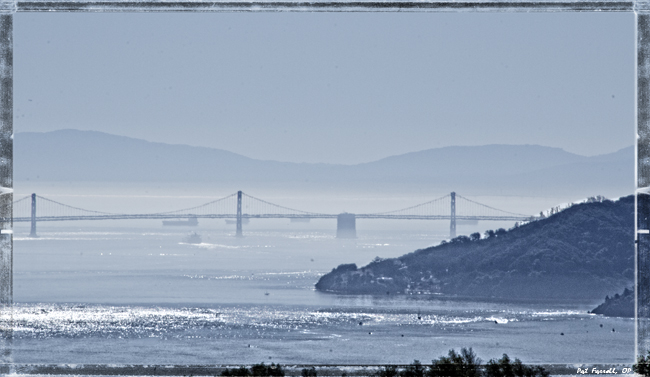
And Mark Twain once said,
“Distance lends enchantment to the view.”
In All of Nature We Find God’s Initials
All animals who lift their voices at dawn sing to God. The volcanoes and the clouds and the trees cry to us about God. The whole creation cries to us penetratingly with a great joy about the existence and the beauty and the love of God. The music roars it into our ears, the landscape calls it into our eyes. In all of nature we find God’s initials, and all God’s creatures are God’s love letters to us.
All of nature burns with love created through love to light love in us. Nature is like a shadow of God, a reflection of God’s beauty. The still, blue lake is a reflection of God. In every atom lives an image of the trinity, a figure of the trinitarian God. And also my own body is created to love God. Each of my cells is a hymn about the Creator and an ongoing declaration of love.
– Ernesto Cardinal, To Live Is to Love

Finding God
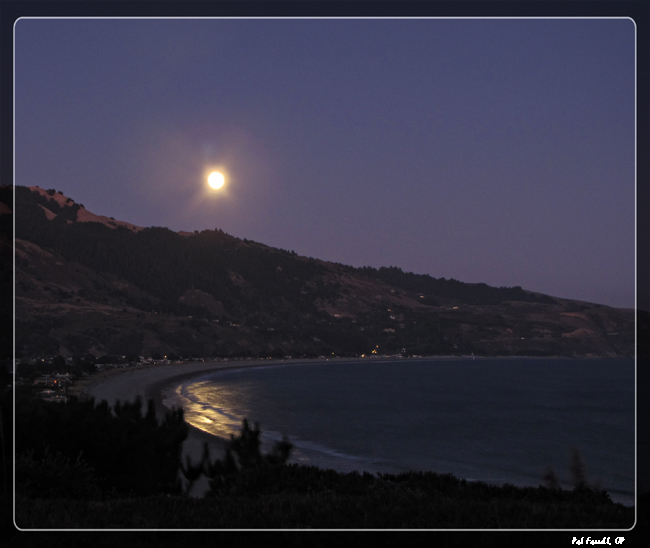
In the early evening we see the stars begin to appear as the sun disappears over the horizon. The light of day gives way to the darkness of night. A stillness, a healing quiet comes over the landscape. It’s a moment when some other world makes itself known, a numinous presence beyond human understanding. We experience the vast realms of space overwhelming the limitations of our human minds. As the sky turns golden and the clouds reflect the blazing colors of evening, we participate for a moment in the forgiveness, the peace, the intimacy of things with each other.
– Thomas Berry, The Great Community of Earth

Weekly Photo Challenge: Culture

In thinking of culture, it is difficult to not think of food and how it brings us together.
Food is our common ground, a universal experience.
– James Beard
Wisdom from Walden
The finest qualities of our nature, like the bloom on fruits, can be preserved only by the most delicate handling.
– Henry David Thoreau, Walden

The Feast of Catherine of Siena
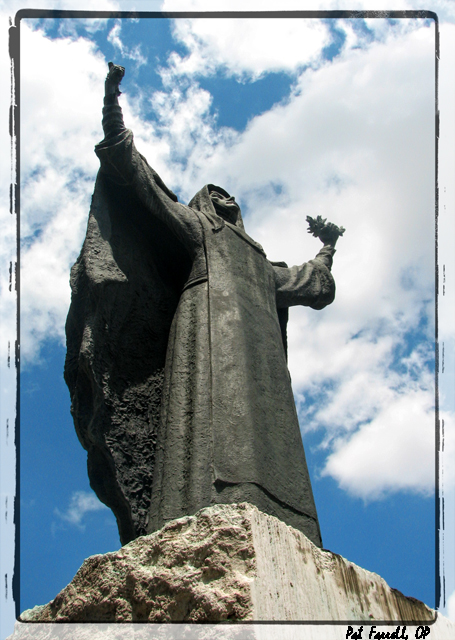
Today is the Feast of Saint Catherine of Siena (Dominican Saint, born in 1347). She wrote, “Love transforms one into what one loves.” (Dialogue 60)
Reflections:
- Into whom or what will we be transformed?
- How would we like to be transformed?
- What am I doing to “make it so”?
Mystery
It began in mystery and it will end in mystery, but what a rare and beautiful country lies in between.
– Diane Ackerman
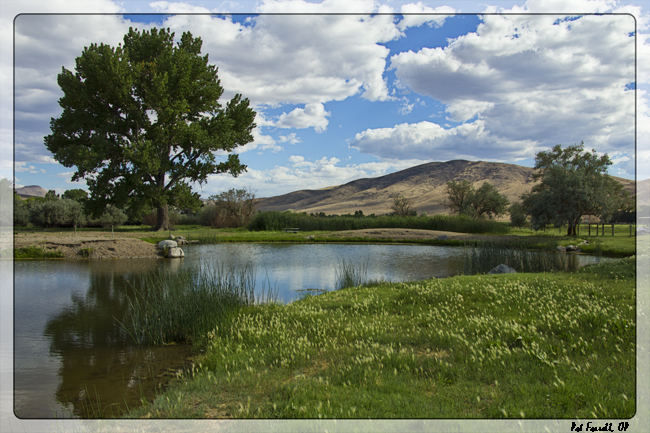
What Is More Important than Life?
Sometimes we behave as though there was something more important than life. But what?
– Antoine de Saint-Exupéry
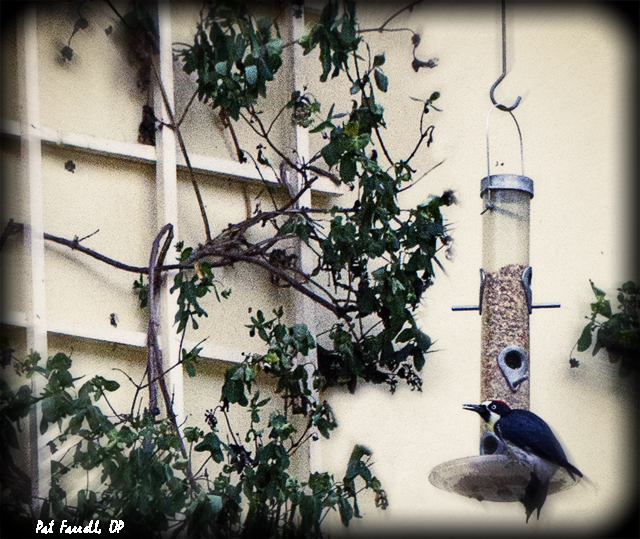
Morning, a Sign of God’s Compassion
Whatever God does, the first outburst is always compassion.
– Meister Eckhart

 OPreach